Cansu Aydin



_logo.svg.png)
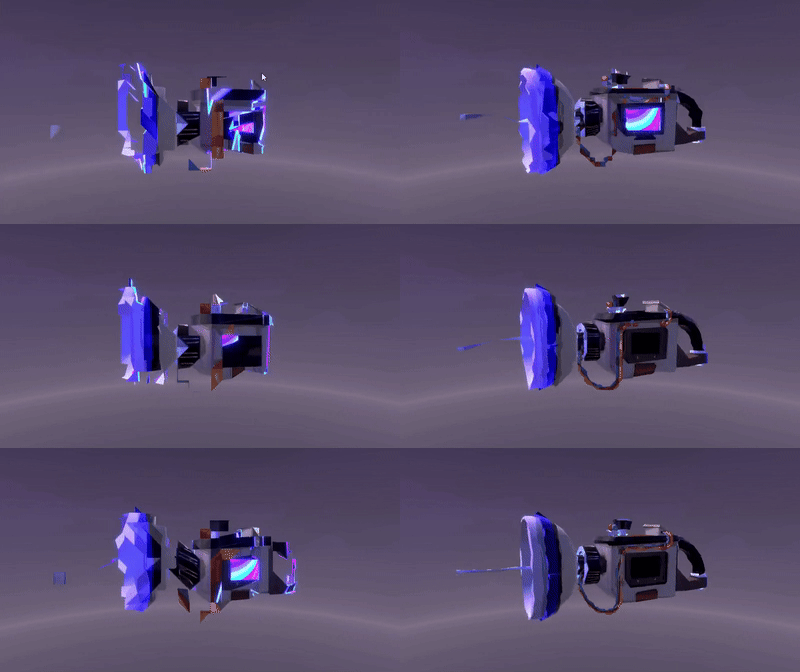
Below is a showcase of the shader properties for the final boss that is controlled during gameplay when the boss attacks or gets hit. When defeated, via vertex voxelization effect, the boss turns into a box, which we then do further VFX on to open and show a reveal.

Ghost shader is used to indicate the original position of an object that has moved. The shader uses distance calculation to adjust transparency, and fullscreen outline with object ID pass for easy identification during gameplay.

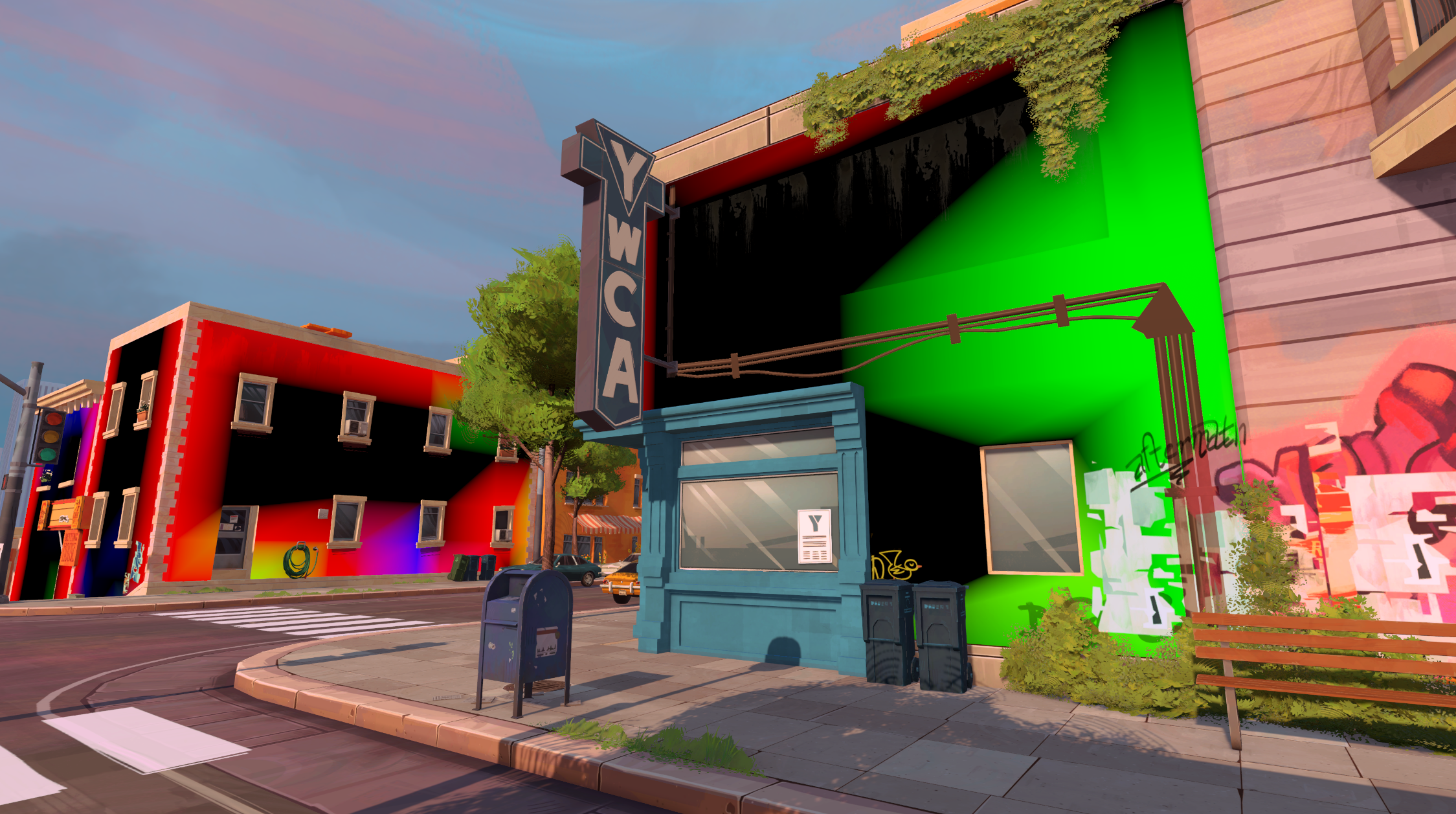
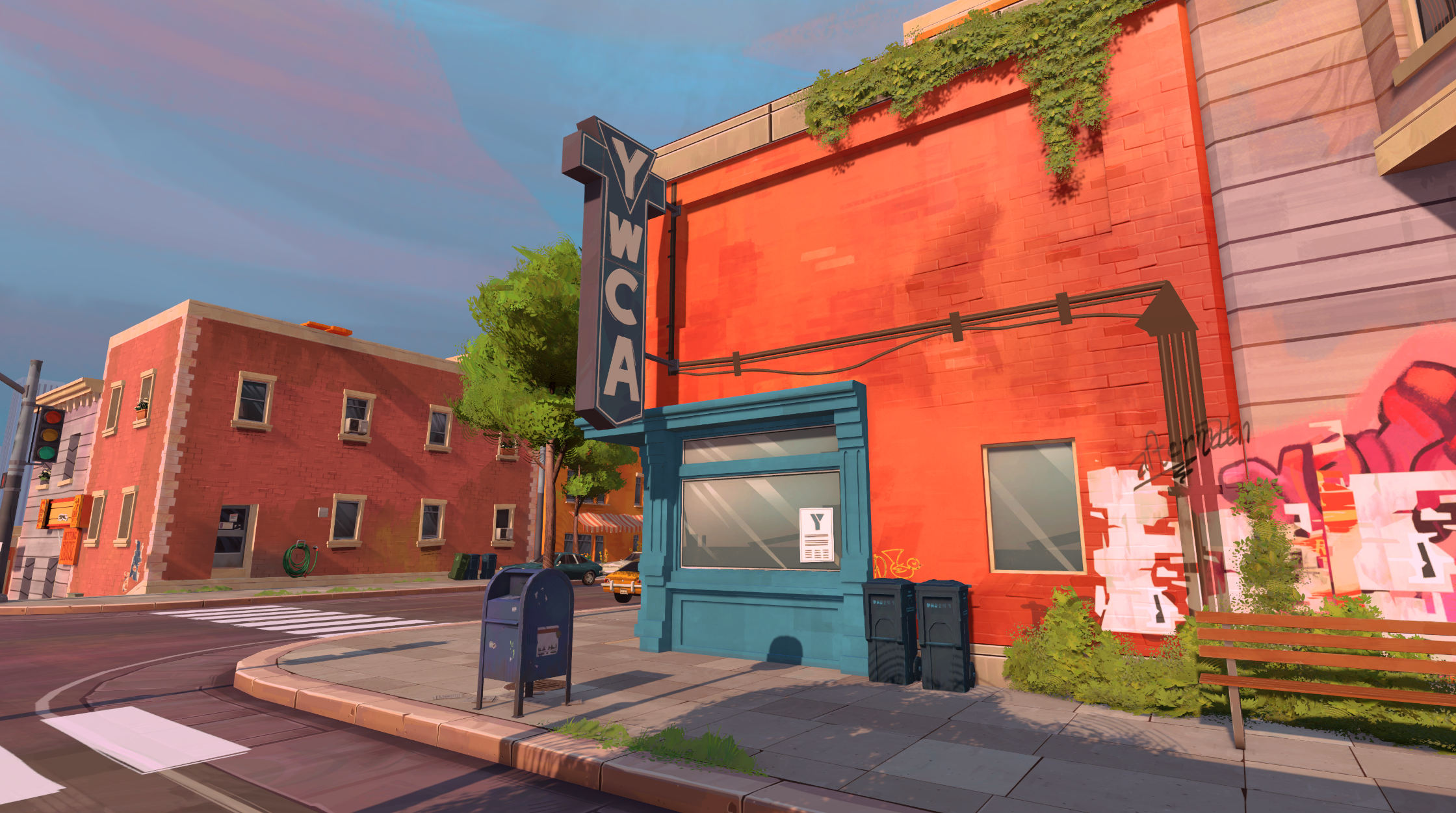
My vertex paint shader for Yerba Buena's environment art uses a combination of masking an area by the object's vertex colors as well as a mask texture. The shader has parameters for adjusting the mask's min and max properties to allow for a more contrasting or smoother look that the artists can easily change.
Below images are the vertex paint shader usage in game environment for variation on large surfaces.

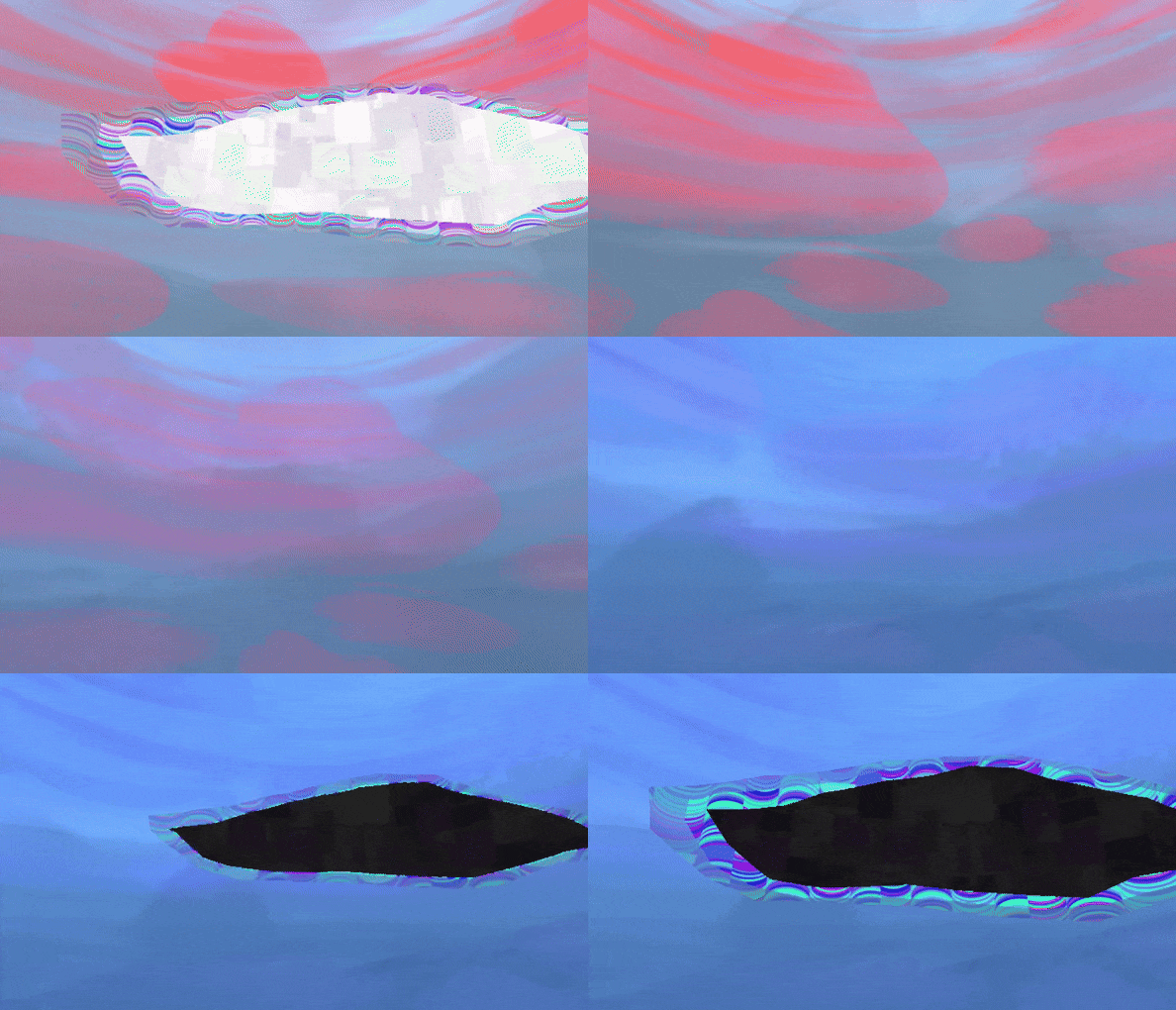
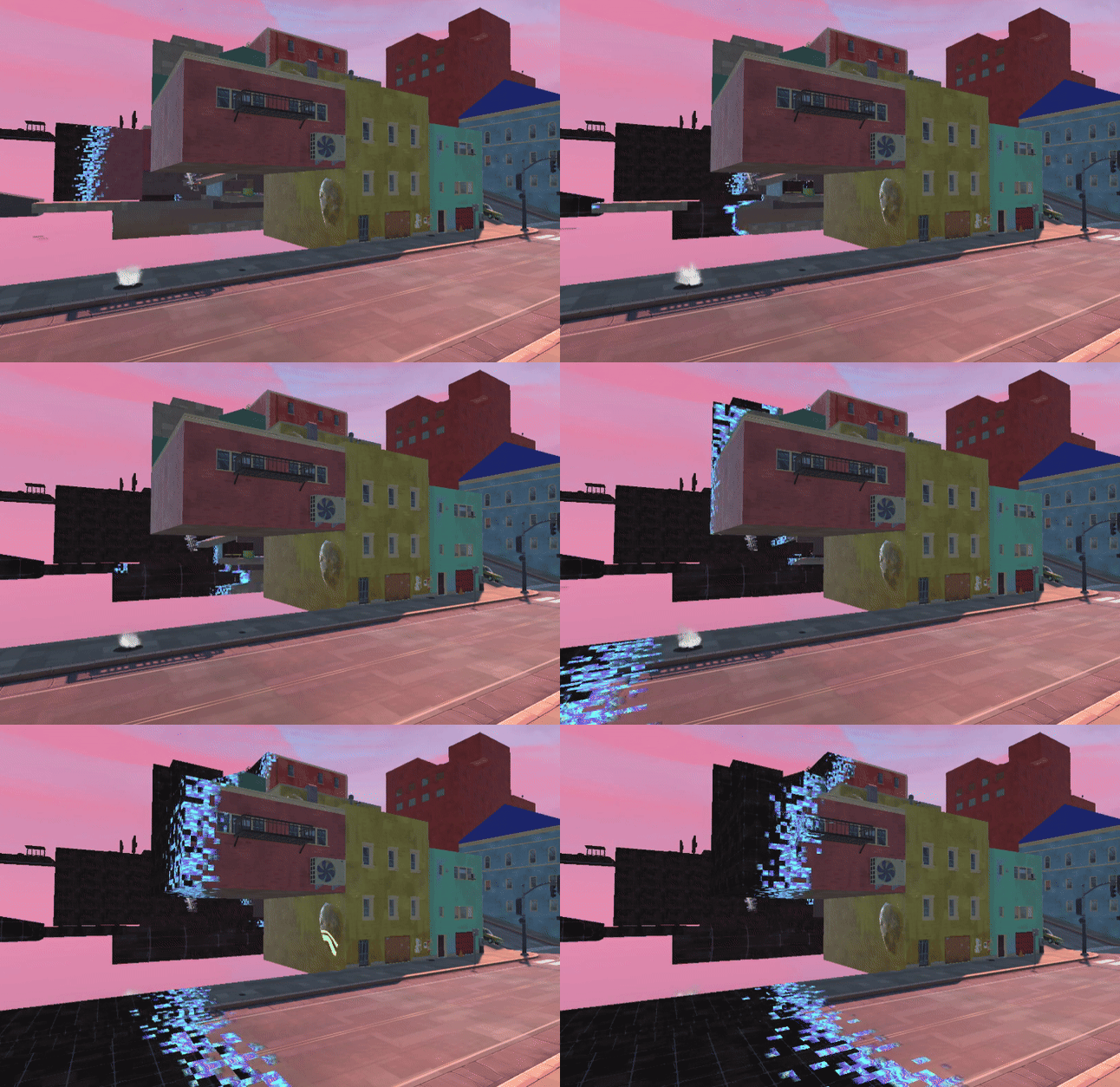
In the virtual game world of Yerba Buena, we decided to show the player's "death" and respawning with glitchy screen. For this I created the glitchy UVs and fed that data to the screen color output's UV input, with the additional squares and code texture overlay.

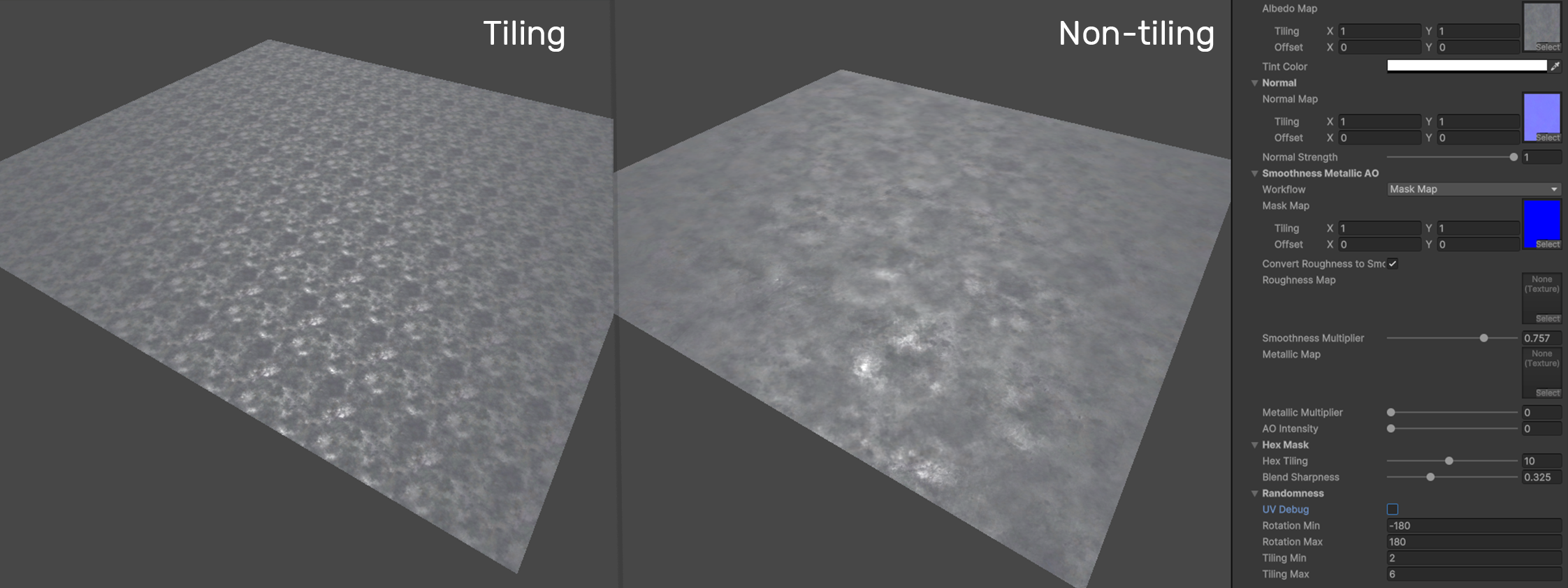
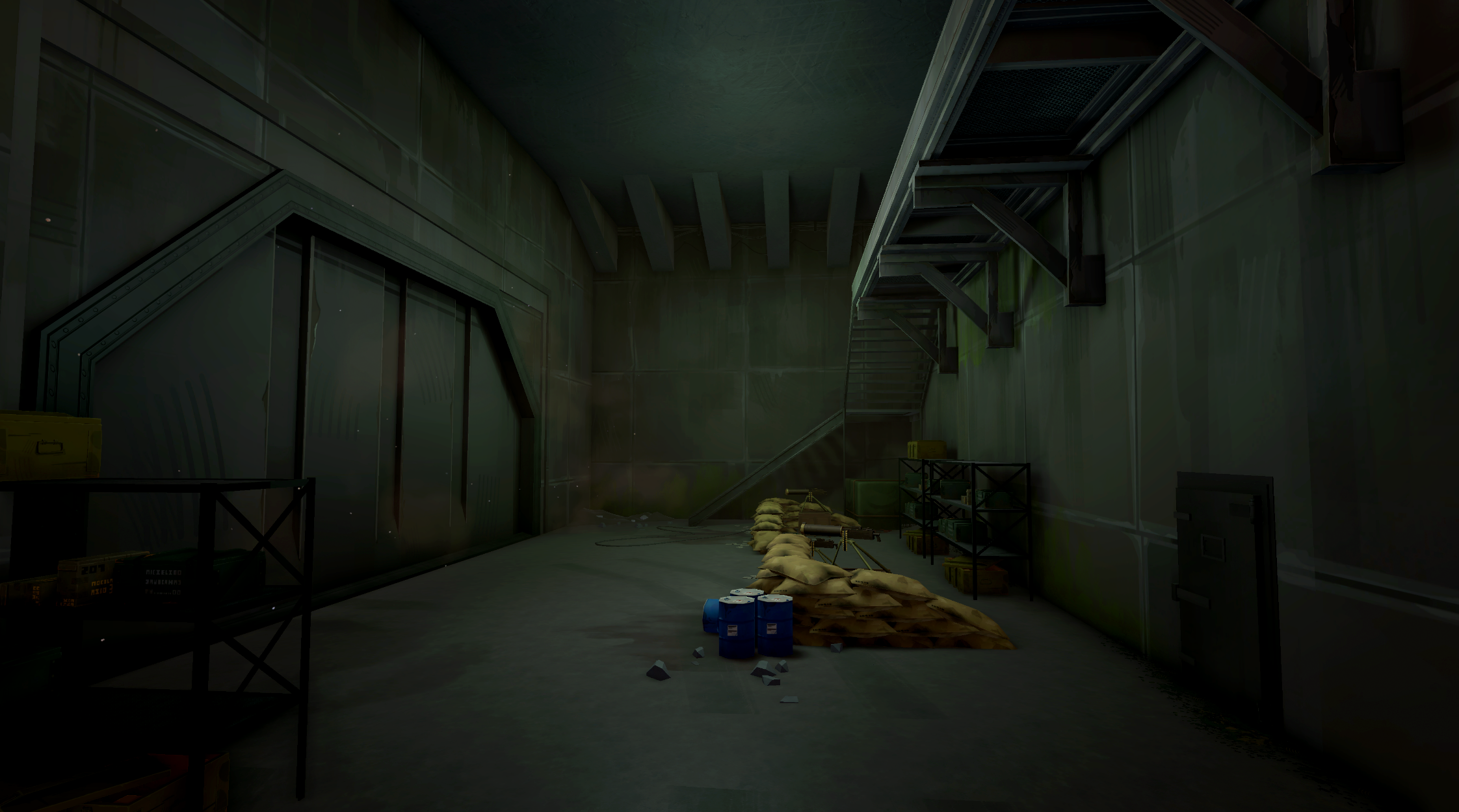
To cover the large surface areas without too much obvious repetition in tiling, I added a non-tiling UV option to our custom Yerba Buena Lit shader for artists to use easily, using the industry standard Hex-UV method. This was heavily used in the Bunker level of Yerba Buena, in large flat surfaces such as grounds and ceilings.
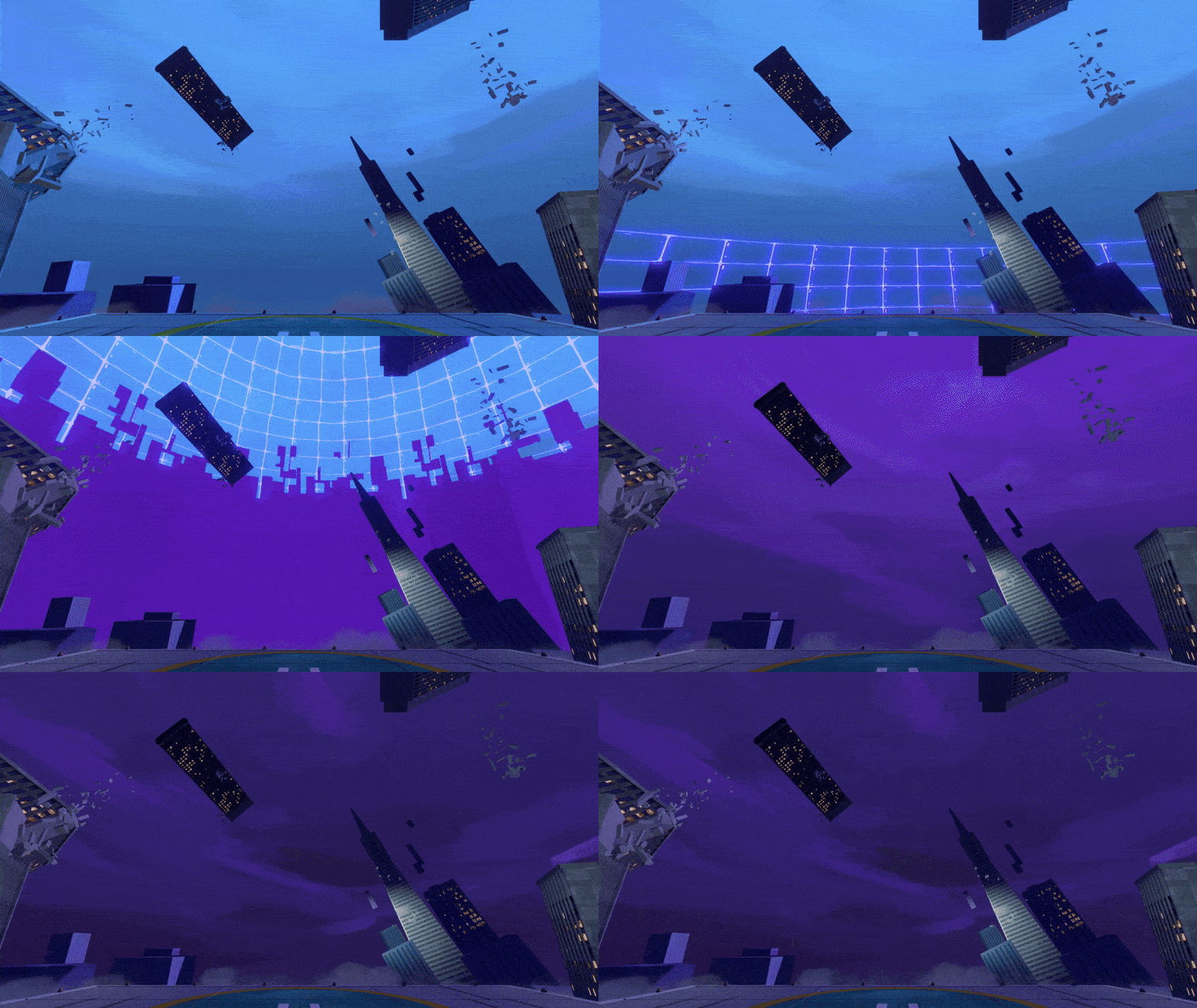
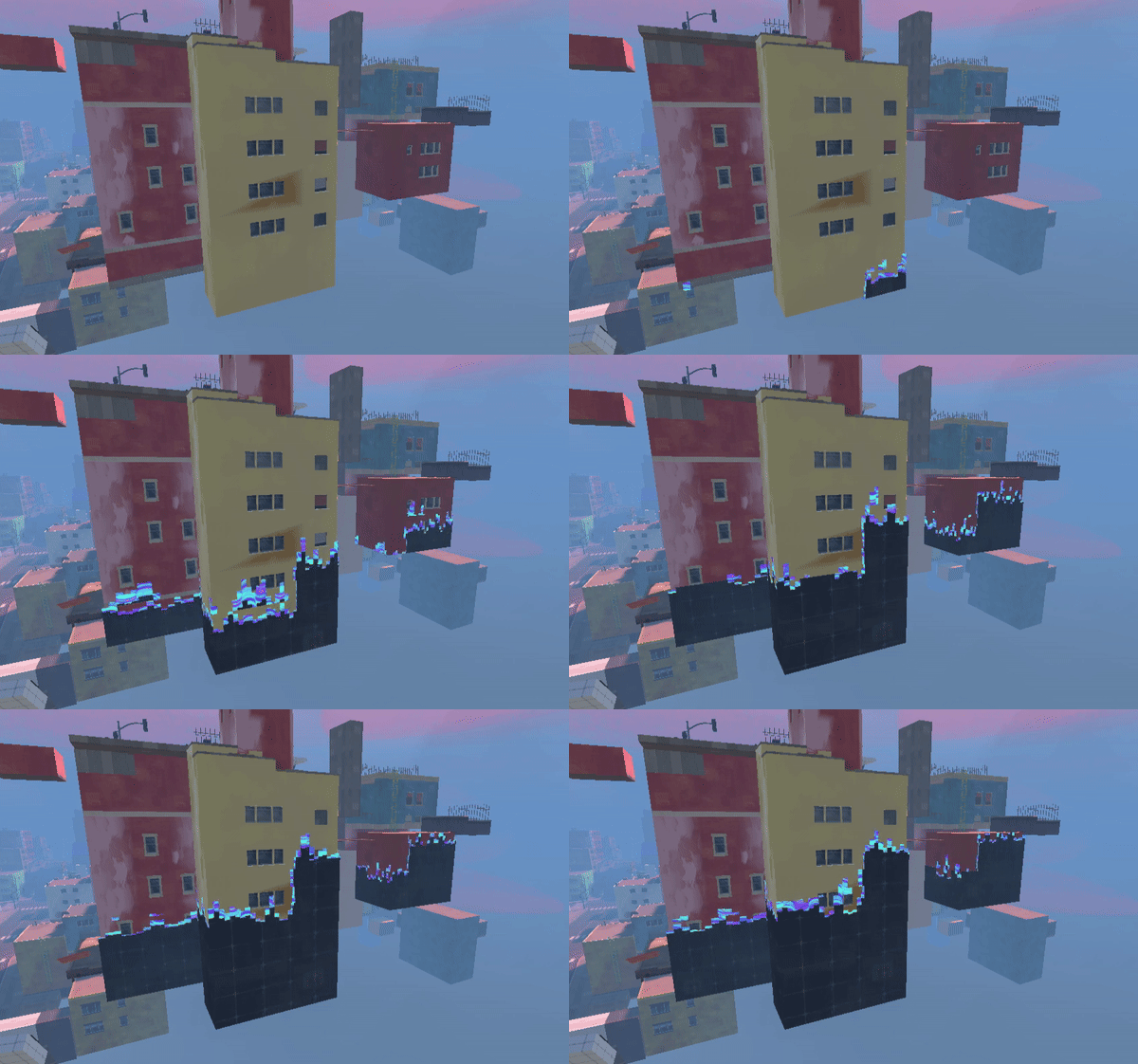
During production at Mad About Pandas, I also worked on many shaders that didn't end up making it to the published game due to game design and narrative changes where some features or cutscenes were cut. Below are a collage of some of those shaders that I worked on.